
As an Amazon Associate I earn from qualifying purchases. All claims are strictly my personal opinion.
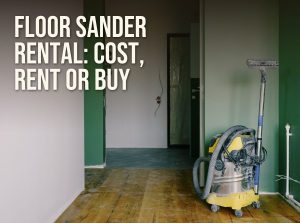
Renting a floor sander costs roughly $65 to $95 a day for the main machine and $35 to $60 a day for an edger, based on the rates rental shops publish online (checked October 1, 2026). Where shops publish a weekly rate, a week costs about three and a half times the daily rate. Sandpaper, a deposit and transport come on top, and you’ll almost always need both a sander and an edger for a full refinish.
Below are the published rates, what each type of rental floor sander does and which one to pick, the costs that aren’t on the price tag, and the simple sum that tells you whether buying a machine makes more sense than renting one. Home Depot, Lowe’s and Sunbelt Rentals price floor sanders by location rather than publishing one national rate, so the figures here come from rental shops that print their prices, and the last section explains how to get a quote from the big chains.
⚡ Quick Answer
Daily rates (published, October 2026): drum sander $70 to $75, square-pad orbital $65 to $75, multi-disc orbital $95, 7″ edger $35 to $48, 17″ buffer $55.
Which to rent: a drum sander plus an edger for worn or uneven floors; a square-pad orbital for a first-timer or a floor in fair shape; a buffer for a screen and recoat.
Rent or buy: rent for a one-off refinish. Buying pays off for small rooms you can do with a handheld like the Bosch GET75-6N, or for regular screen-and-recoat maintenance with a buffer you own.
How Much Does It Cost to Rent a Floor Sander?
These are the rates two independent rental shops publish on their own sites, read on October 1, 2026. They are local prices, one in California and one in New Hampshire, so treat them as a guide to the range rather than the price at your nearest store.
| Machine | Rental shop | Day | Week | 4 weeks |
|---|---|---|---|---|
| 8″ drum sander (Clarke EZ-8) | Cal-West Rentals, CA | $75 | $255 | $725 |
| Drum sander (Essex Silver-Line) | Westville Grand Rental Station, NH | $70 | n/a | n/a |
| Square-pad orbital, 12″ x 18″ (American Sanders) | Cal-West Rentals, CA | $65 | $225 | $595 |
| Square-pad orbital, 12″ x 24″ | Westville Grand Rental Station, NH | $75 | n/a | n/a |
| Four-pad random orbit (U-Sand Pro) | Westville Grand Rental Station, NH | $95 | n/a | n/a |
| 7″ edger (American Sanders Super 7R) | Cal-West Rentals, CA | $35 | $125 | $355 |
| 7″ edger (Essex SL7) | Westville Grand Rental Station, NH | $48 | n/a | n/a |
| Drum sander + edger together | Westville Grand Rental Station, NH | $95 | n/a | n/a |
| Radiator / toe-kick edger | Westville Grand Rental Station, NH | $60 | n/a | n/a |
| 17″ floor buffer / polisher | Westville Grand Rental Station, NH | $55 | n/a | n/a |
Two patterns stand out. First, the edger is a separate rental, and you’ll need it: a drum or orbital can’t reach the last few inches along the walls. Westville’s package price for both machines is $95 a day, against $118 for the two separately. Second, weekly rates are far cheaper per day than daily ones: at Cal-West, a week of the drum sander costs $255, the same as three and a half days at the daily rate. If there’s any chance a job runs past the weekend, ask for the weekly price before you sign.
Home Depot, Lowe’s and Sunbelt Rentals
The big chains are where most people rent, but none of them publishes a single national price: rates are tied to a store or a location. Home Depot rents Clarke American Sanders drum sanders, edgers and floor polishers through its tool rental centers, Lowe’s has its own rental counters, and Sunbelt Rentals lists an electric walk-behind drum floor sander for rent. To compare, pick your store on each site (or call), and ask for the 4-hour, daily and weekly price of both the sander and the edger, plus the per-piece price of sandpaper. Then compare the total, not the headline rate.
Which Floor Sander Should You Rent?
Rental counters usually offer three kinds of floor sander, plus the edger and the buffer. They’re not interchangeable: each one suits a different floor and a different level of experience.
Drum Sander: Fastest, and the Least Forgiving
A drum sander wraps a sanding belt around a spinning drum and cuts hard. The 8″ Clarke EZ-8 that Cal-West rents has a 1-1/2 HP motor and an 8″ drum turning at 1,800 rpm, and it breaks down into pieces for transport. It’s the machine for floors with worn-through finish, deep scratches, old paint or boards at different heights, because it flattens as it sands. The catch is that it removes wood fast enough to dig a dip in a second if you stop moving with the drum down. The EZ-8’s own manual recommends plugging it into a dedicated 20 amp circuit to avoid nuisance breaker trips.
Square-Pad Orbital: Slower, and Very Hard to Ruin a Floor With
The square-pad orbital (often sold as a “square buff”) vibrates a flat, rectangular pad with sandpaper stuck to it. The American Sanders model at Cal-West runs a 12″ x 18″ pad at 3,600 orbits per minute and weighs 125 lb, and its weight does the work. It sands with or across the grain without gouging, which makes it the beginner’s choice. It won’t flatten cupped or uneven boards, and on a floor with several coats of old finish it can take a full day per room on the first grit.
Multi-Disc Random Orbit (U-Sand and Similar)
Machines like the U-Sand Pro spin several small random-orbit pads under one housing. Westville describes it as four-pad random orbit technology that makes floor sanding easy. Like the square-pad orbital, they’re forgiving and leave no directional scratches, which suits parquet and floors where boards run in different directions. They cost a little more per day.
Edger: You’ll Need One Too
A 7″ edger is a heavy rotary disc sander you work on your knees along the walls, in closets and on landings. The American Sanders Super 7R that Cal-West rents has a 1 HP motor turning a 7″ disc at 2,800 rpm and weighs 30 lb. Use the same grit sequence as the main machine. For under radiators and kitchen toe-kicks, some shops rent a low-profile toe-kick or radiator edger.
Buffer: For Screening and for Screen and Recoat
A buffer (a slow-speed rotary floor machine, typically 17″) runs a sanding screen under a pad. After a full sanding it blends the drum and edger scratches; on its own, it’s the main tool for a screen and recoat, which refreshes the finish without sanding to bare wood. Westville’s 17″ polisher runs at 175 rpm with a 1.5 hp motor. If your floor only looks dull, read my guide on refinishing hardwood floors without sanding before you rent anything bigger.
The Costs That Aren’t on the Rental Tag
- Sandpaper. Shops sell the matching belts, sheets, discs and screens, usually priced by the piece. For a full refinish you need three grits for the main machine, the same for the edger, and screens for the buffer. Ask what happens to unused paper: some shops take back unopened pieces, some don’t.
- Deposit and damage. Expect a card hold. A drum sander returned with a gouged drum or a torn dust bag can cost you.
- Minimum rental period. Cal-West lists a 4-hour minimum on its floor machines. A 4-hour rate is good for an edger you only need for one pass, rarely for the main sander.
- Transport. A drum sander, edger and buffer won’t fit in a small car, and delivery is extra where it’s offered.
- Finish and safety gear. Floor finish, applicators, a P100 mask and hearing protection are bought, not rented.
- Extra days. Sanding always takes longer than planned the first time. Price the weekly rate before you need it.
Is Renting a Floor Sander Worth It?
For a one-off refinish of a few rooms, yes. You get professional-grade machines for a fraction of what they cost to own, and a full refinish genuinely needs a drum or orbital floor sander plus an edger. The step-by-step method is in my guide on how to refinish hardwood floors.
When Buying Pays Off
The sum is simple: the price of the machine you’d buy, divided by the daily rental rate, is the number of rental days at which buying breaks even. For example, a machine that costs $450 against a $75 daily rate breaks even at six rental days. Buying wins when you’ll pass that number over the machine’s life, which happens in four situations:
- Small rooms, done slowly. A hallway, closet or small bedroom can be sanded with a powerful 6″ random orbital sander over a few evenings, without booking a machine for a fixed day. The Bosch GET75-6N below is the one to look at.
- Regular screen-and-recoat maintenance. A floor that gets a fresh topcoat every few years needs a buffer each time. A home-size buffer like the Prolux Core 13″ does that job and cleans floors the rest of the time.
- Several properties. Landlords and flippers who refresh floors between tenants rent often enough that owning an upright orbital machine like the Oreck Orbiter makes sense.
- Stairs and edges. Rental drum sanders can’t do stair treads at all, so you’ll need a handheld sander anyway. My guide to the best sanders for stairs covers them.
When Renting Wins
Professional drum sanders and edgers cost thousands of dollars to buy, and the homeowner versions sold online are a different class of machine. For a whole floor that needs flattening and finish removal, rent. The roundup of the best floor sanders explains which machines are worth owning and which are rental-only.
Renting vs Hiring a Pro
Renting saves the labor bill, but you take on the risk of damaging the floor and three or four days of hard work. If the floor is engineered with a thin wear layer, badly cupped, or an antique you can’t replace, the safest money is on a professional with a dust-contained system. For a solid oak floor in fair condition, a careful first-timer with a square-pad orbital can get a good result. To see the gap in dollars for your own rooms, the hardwood floor refinishing cost calculator compares a pro quote with the DIY bill for rentals, sandpaper and finish, and lets you type in your local rental rates.
Tips for Rental Day
- Reserve the machines a few days ahead for a weekend; floor sanders go fast on Saturday mornings.
- Prep the room the day before so the rental clock isn’t running while you pull baseboard and set nails.
- Check the machine at the counter: spin the drum or pad, look at the cord, and make sure the dust bag is intact. Ask staff to show you how to load the paper.
- Buy more paper than you think, in every grit, and confirm the return policy for unused pieces.
- Find the right outlet: a drum sander on a shared 15 amp kitchen circuit trips breakers all day.
- Empty the dust bag often and never leave dust in it overnight; floor-sanding dust can self-ignite.
- Practice in a closet before you take the machine into the main room.
What to Buy If You’d Rather Own a Machine
These are machines and abrasives you can buy online today. The specs come from the makers and the rental shops’ published specs; I don’t show prices or ratings, which change daily.
Bosch GET75-6N 6″ Dual-Mode Random Orbital Sander
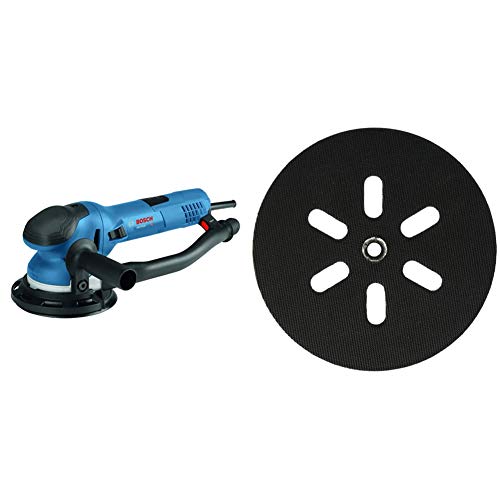
Best Buy Instead of Renting, for Small Rooms
A 7.5 amp random orbital with a 6″ pad and a Turbo mode that switches to a direct-drive rotation for aggressive removal, then back to random orbit for finishing passes. Bosch rates it at 3,300 to 7,300 OPM. It won’t match a drum sander on a big room, but for a hallway, a small bedroom, edges and stair treads, it does the job without a rental clock running.
- ✅ Turbo mode removes old finish fast
- ✅ Also sands stairs and edges
- ❌ Too slow for a large room
Best For: Small rooms, edges and stairs, done over several evenings.
Oreck Orbiter Multi-Purpose Floor Machine

Best Stand-Up Machine You Can Own
An upright orbital floor machine for the home. Oreck says it sands, refinishes, strips, scrubs, waxes and polishes floors, and its head moves in a random orbit rather than spinning, which is what makes it easy to control. With Oreck’s 12″ sandscreens under the pad it can scuff-sand a finish for a recoat from a standing position. It’s not a substitute for a drum sander on a floor that needs the finish taken off. Oreck backs the motor for 5 years and other parts for 1 year.
- ✅ Stand-up screening and scrubbing
- ✅ Random orbit head: no swirl marks
- ❌ Too light for removing old finish
Best For: Landlords and homeowners who recoat and deep-clean floors regularly.
Prolux Core 13″ Floor Buffer

Best Buffer to Own for Screen and Recoat
A compact rotary buffer with a 13″ cleaning path, a low-speed 150 rpm high-torque motor, a 50 ft cord and a 5-year motor guarantee, according to Prolux. Prolux designed the 13″ model for home and office use. Fitted with 13″ sanding screens rated for 175 to 350 rpm buffers, it handles the screening step of a recoat. It’s smaller than a 17″ rental buffer, so a large room takes longer.
- ✅ Low speed suits screening
- ✅ 50 ft cord, 5-year motor guarantee
- ❌ 13″ path is slow on big rooms
Best For: Screen and recoat every few years, and machine-scrubbing floors in between.
8″ x 19″ Sanding Belts for the EZ-8 Drum Sander

Abrasives for the Most Common Rental Drum
A 10-pack of 8″ x 19″ aluminum oxide sheets in 40, 60, 80, 100 and 120 grit, sold for the Clarke EZ-8. Ask your rental shop whether you can use your own paper before you buy; some require their own abrasives. For the edger, 7″ discs with a 7/8″ hole fit the Super 7R and most rental edgers, such as these Mercer zirconia cloth edger discs.
- ✅ The full grit sequence in one pack
- ✅ Sized for the EZ-8
- ❌ Two of each grit won’t cover a large room
Best For: A small room with a rented EZ-8, or spares for the last grit.
How I Put This Guide Together
Rental rates and machine specs come from the published rental pages of Cal-West Rentals (Petaluma, San Rafael and San Mateo, California) and Westville Grand Rental Station (Plaistow, New Hampshire), read on October 1, 2026. Home Depot, Lowe’s and Sunbelt Rentals price by location, so no national figure is quoted for them. The 20 amp circuit advice is from the Clarke EZ-8 operator’s manual, and the dust safety advice from the National Wood Flooring Association’s sanding and finishing guidelines. Product specs come from Bosch, Oreck and Prolux. More on how I choose the sanders I recommend.
🏆 The Verdict
For a one-off refinish, rent a drum sander and an edger (or a square-pad orbital if it’s your first floor): budget $65 to $95 a day for the main machine and $35 to $60 for the edger at published rates, plus sandpaper, and ask for the weekly price. Buy only when you’ll beat the break-even days: a Bosch GET75-6N for small rooms and stairs, or a buffer for regular screen-and-recoat maintenance.
❓ Frequently Asked Questions
How much do floor sanders cost to rent?+
How much is it to rent a floor sander at Lowe’s or Home Depot?+
Is renting a floor sander worth it?+
Can I sand my floor myself?+
What is the best floor sander to rent?+
Can you rent a floor buffer at Home Depot?+
Conclusion
Floor sander rental is the cheapest way to get a professional-grade machine for a single job, as long as you budget for the edger, the sandpaper and an extra day. Compare the weekly rate, rent the machine that matches your floor and your experience, and buy only when the break-even sum says so. When the machines are booked, my guide on how to refinish hardwood floors walks through every stage, and the grit chart for floors lists the grit sequence. Questions about a specific rental machine? Ask in the comments.

